


Process stability through biodiesel transesterification instrumentation
Transesterification in the biodiesel production process is highly sensitive to the quality of renewable feedstocks. Even small increases in free fatty acids (FFA) or moisture above 0.5-1% can trigger soap formation, reduce catalyst effectiveness and negatively impact yield optimization. Maintaining stable reaction conditions is therefore critical, as shifts of only 2-3°C or 1-2% in alcohol or catalyst dosing can lower conversion efficiency and increase by-product formation.
Instrumentation plays a central role in keeping the transesterification reaction under control. Continuous measurement of temperature, flow, pressure and reactant concentration allows operators to react to process changes immediately. Inline spectroscopy or real-time density and concentration measurement helps quantify unreacted triglycerides and glycerol so plants can cut excess methanol use by up to 10-15% and avoid unnecessary catalyst consumption.
Separation and purification stages also benefit significantly from accurate monitoring. Inline turbidity, conductivity and density sensors detect residual methanol, soaps and water content, which supports consistent phase separation and reduces the number of wash cycles. With real-time data, operators can stabilize product quality, reduce manual adjustments and lower water and energy use by an estimated 5-10%.
With reliable instrumentation plants improve glycerin byproduct separation efficiency and strengthen yield optimization in bio-based fuels. Endress+Hauser provides integrated biodiesel measurement solutions that help operators maintain process stability and react to disturbances quickly.
Dữ kiện chính
up to 98%
biodiesel conversion
under optimized transesterification conditions.
Source: IEA Bioenergy
Explore improvement potential in biodiesel transesterification
Click through these process diagrams to see how each stage of biodiesel transesterification can be optimized across the biodiesel production process for better reaction stability, higher conversion and cleaner phase separation.


Transesterification reaction 1
Optimize conversion with reliable feed control
Precise feed control is essential in biodiesel transesterification because small deviations in mass flow or temperature quickly affect conversion efficiency and product stability:
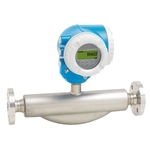
- Mass flow control of oil, methanol and catalyst is critical for proper reactant dosing and a stable stoichiometric ratio for biodiesel conversion. Promass F 300 with PremiumCal delivers high precision measurement for oil and methanol, while Promass A 300 with PremiumCal enables accurate low flow control for catalyst injection
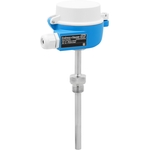
- Feed preheat temperature control ensures that all reactants enter the reactor within the specified thermal window, supporting consistent reaction kinetics. iTHERM TM131 with QuickSens delivers fast-response temperature measurement, helping to keep preheat conditions stable even during load or feed composition changes


Transesterification reaction 2
Stabilize your conversions with advanced reaction control
Consistent reaction conditions are essential for achieving high biodiesel yield and minimizing variability in downstream separation, especially when processing renewable feedstock. Accurate inline measurement of flow, pressure, temperature and level give operators the insights to maintain steady-state operation. It also helps avoid unplanned process disturbances and detect developing issues early. Additionally, built-in Heartbeat Technology further supports stable operation through continuous verification and diagnostics, without interrupting production.
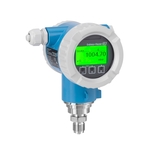
- Pressure monitoring for reaction disturbances detection. Accurate pressure measurement in reactors and transfer lines helps identify restrictions, gas formation, fouling and other early indicators of unstable reaction behavior. Cerabar PMP71B enables reliable pressure control in harsh chemical environments
- Temperature control for consistent reaction kinetics. Fast‑response temperature measurement prevents slowdowns caused by insufficient heating or catalyst deactivation. iTHERM SurfaceLine TM611 helps detect heat‑transfer limitations or exothermic shifts, improving overall conversion consistency
- Level measurement for stable reactor operation. Maintaining a constant reactor level enhances glycerin by-product separation efficiency and prevents overfilling. Micropilot FMR62B provides reliable level control and Heartbeat Technology improves detection of foam or surface instability to keep operations consistent


Biodiesel filtration
Enhance product quality with efficient separation and purification
Efficient phase separation and downstream purification are critical for achieving on‑spec biodiesel. Real-time process data ensures that phase boundaries remain stable, wash steps perform consistently and contaminants are removed before they impact biofuel quality.
- Maintaining a stable interface is essential for clean and reliable separation in decanters. Continuous level and interface measurement with Liquicap FMI51 keeps the separation zone well‑defined, reducing the formation of emulsion layers
- Density monitoring provides an early indication of phase purity. Promass F 300 delivers accurate density measurement to detect methanol contamination, water carryover or residual glycerin before they impact downstream washing or drying
- Optical monitoring of wash water supports separation quality. OUSAF12 detects changes in clarity associated with soaps, emulsions or incomplete separation. This helps maintain stable operation and avoid unnecessary reprocessing
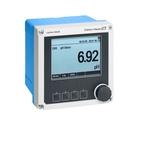
- pH control during neutralization and washing is essential to prevent soap formation and fouling in purification equipment. Liquiline CM42B together with Memosens CPS11E with ion trap provides stable and accurate pH measurement, supporting consistent washing performance and reducing the risk of downstream disruptions
- Conductivity monitoring of wash water ensures that contaminants and carryover are reliably detected to maintain final biodiesel quality. Liquiline CM42B paired with Indumax CLS50D delivers precise conductivity measurement to verify wash water purity and safeguard product specification
By choosing Endress+Hauser solutions, biodiesel production plants gain instrumentation designed for long operational life and digital Memosens connectivity. Advanced technologies simplify calibration and provide strong global service support, helping operators maintain consistent fuel quality when processing bio-feedstock, while reducing operational effort across the production process.

Frequently asked questions about biodiesel measurement solutions
The following questions cover key measurement challenges in biodiesel production, particularly during transesterification and downstream processing. They address typical operational topics such as automation, feedstock variability and product quality. Each answer explains how instrumentation contributes to process stability and efficiency.


